This article professionally and objectively analyzes “whether domestic or German servers are of better quality in terms of compatibility and after-sales service” from the two dimensions of compatibility and after-sales support. This article is suitable for reference during the selection, deployment, and procurement phases, helping operations and procurement personnel assess the advantages and disadvantages under different supply chain contexts.
Domestic servers and German server There are different focuses in the hardware ecosystem. German manufacturers usually emphasize compatibility with European and international standards, while domestic manufacturers have an advantage in terms of local components and policy compatibility. During evaluation, attention should be paid to the interoperability and certification support of core components such as the CPU, motherboard, and network card.
The chip platform and its supporting components directly affect compatibility. For example, different platforms have varying support for memory types, storage protocols, or network card drivers. When making a choice, ensure that the target operating system and virtualization platform have mature hardware drivers and long-term support plans to avoid subsequent compatibility risks.
Driver support at the operating system level determines device stability and performance. German supply chains typically have a long history of testing with various open-source ecosystems and enterprise-level operating systems. In contrast, domestic servers show faster response times and better optimization when adapted to domestic operating systems or custom kernels; it’s necessary to choose based on specific needs.
Firmware update policies and third-party software certification are important aspects of compatibility. German manufacturers place great emphasis on cross-border certification and compliance with standards, with transparent firmware update processes ; Domestic manufacturers offer greater convenience in integrating with local software, management platforms, and industry systems, making them suitable for scenarios where rapid local deployment is desired.
In virtualized and containerized environments, different servers have varying levels of support for features such as I/O virtualization, SR-IOV, and GPU passthrough. The evaluation should include compatibility testing with common virtualization platforms and container runtimes to ensure that performance and stability meet expectations in high-density deployment or GPU computing scenarios.
After-sales service directly affects system availability and operational costs. There are significant differences between domestic and German servers in terms of service models, spare parts delivery, and response times: The localization service network determines the speed of on-site response, while multinational supply chains may place more emphasis on processes and compliance in terms of part replacement and remote assistance.
Warranty terms, troubleshooting procedures, and spare parts policies of different manufacturers can affect RTO and repair costs. When making a choice, it is necessary to clarify the warranty coverage, on-site service response time, location of spare parts inventory, and replacement procedures. Especially in critical business scenarios, predictable delivery and repair capabilities should be given priority.

Localization support includes Chinese technical documentation, hotline service, and on-site engineers. Domestic suppliers are usually more convenient in terms of language communication and adaptation to local regulations, while German suppliers may offer more standardized processes and multilingual support in cross-border projects. Adjust supplier priorities based on the project location and the capabilities of the operations team.
Considering comprehensive compatibility and after-sales service, it is recommended to prioritize based on business priorities: For deployments that seek international ecological consistency and strong compliance, German or European supply chains are a good choice ; If rapid local response and deep integration with domestic systems are required, domestic servers are often more cost-effective and convenient.
In summary, there is no absolute advantage or disadvantage when comparing the quality of domestic and German servers in terms of compatibility and after-sales service; the key lies in matching the needs. It is recommended to conduct hardware compatibility testing before making a selection, review firmware and driver update policies, clarify warranty and spare parts mechanisms, and weigh these factors against operational capabilities and compliance requirements.
- Latest articles
- Troubleshooting guide: Checklist of steps to figure out why a Hong Kong VPS can’t access websites in Hong Kong
- Risk Warning: Hidden Costs and Limitations of Free Cloud Server Services in Hong Kong
- How to evaluate the cache hit rate performance of Taiwan’s CDN CN2 in different regions
- Which VPS provider in Malaysia is the best? A comprehensive comparison based on price-performance and after-sales support
- Detailed Explanation of Factors to Consider When Choosing a Data Center in Singapore: The Impact of Singapore CN2 VPS on Access Speed
- Where are Malaysia’s WeChat servers located? Geographical factors that affect message delivery speed
- Advantages of Hong Kong’s native IPs in supporting cross-border work and distance education at airports
- Risk Warning: How to Avoid Contract Traps and Hidden Fees When There Are Activities at Hong Kong Station Groups
- Top Choice for Small and Medium-sized Enterprises: Strategies for Selecting Hong Kong VPS and Server Hosting Providers
- Complete List of My World German Server Names, Analysis of the Best Options, and Recommendation Guide
- Popular tags
-

t-online email server usage guide and precautions
comprehensively understand the usage guide and precautions of t-online email server to improve email management efficiency. -
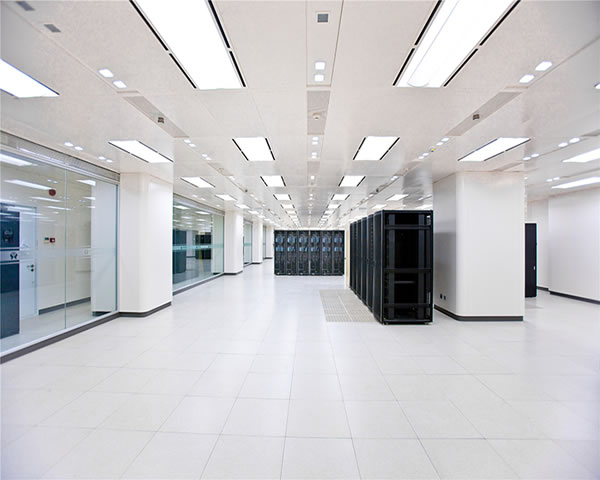
German motor room equipment full analysis and use guide
A thorough analysis of German motor room equipment and its usage guide, covering design, equipment types and maintenance points, helping you better understand and use motor room equipment. -

how to choose a stable and efficient german server hosting service provider for your e-commerce platform
german server hosting selection guide for e-commerce platforms, covering performance, network, availability, security compliance, scalability and technical support to help select a stable and efficient hosting service provider.